The Code of Hammurabi
Explore one of the earliest and most influential legal codes in history.
Explore one of the earliest and most influential legal codes in history.
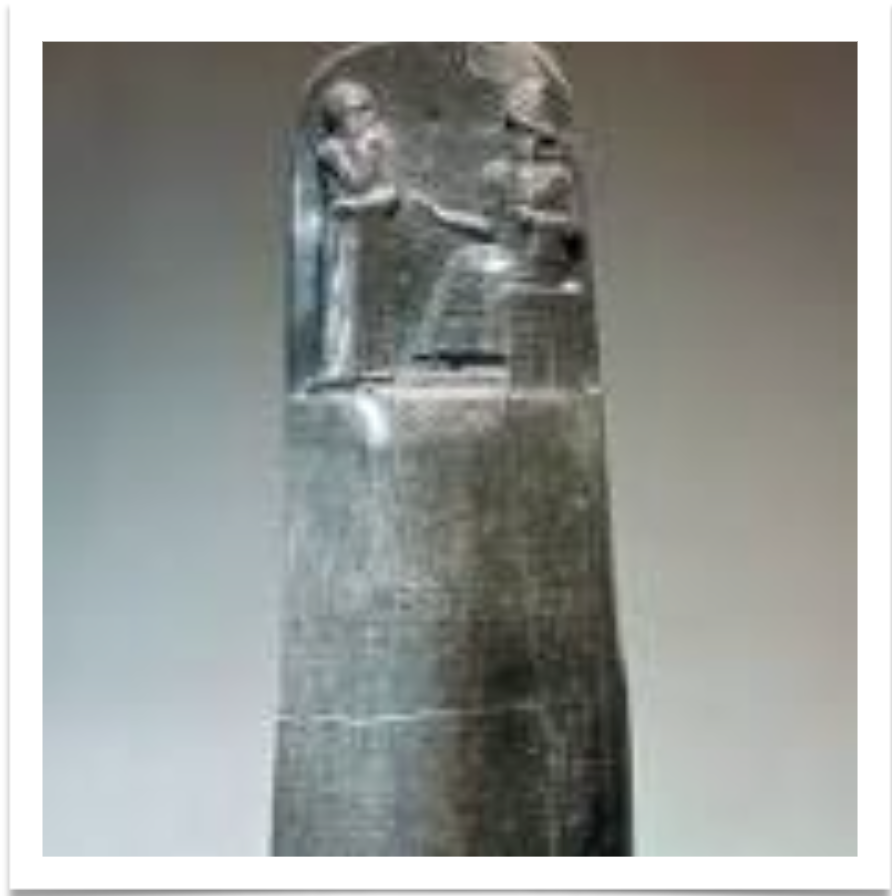
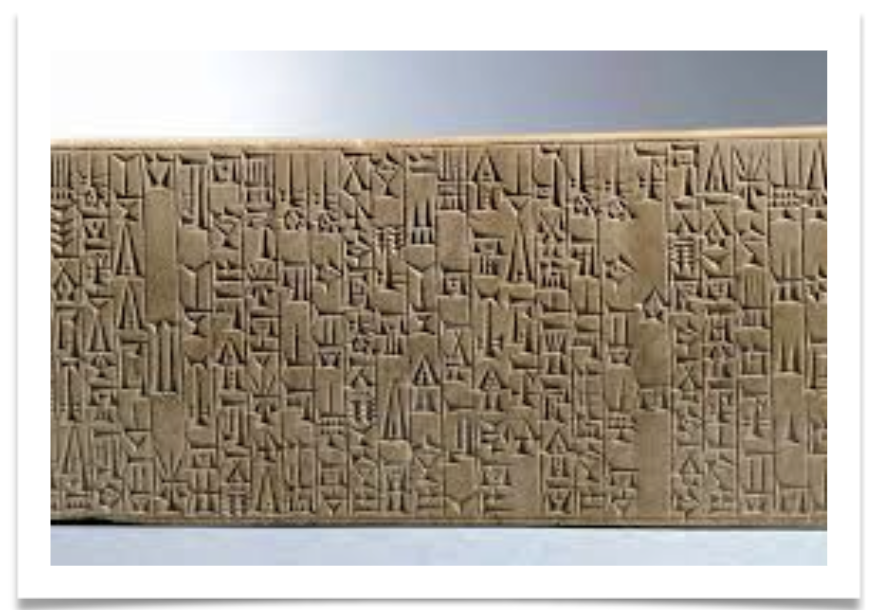
The Code of Hammurabi, created around 1754 BC by King Hammurabi of Babylon, is one of the oldest and most comprehensive legal codes. It contains 282 laws covering various aspects of daily life, such as trade, family law, and criminal justice. The code is famous for its principle of "an eye for an eye," aiming to ensure justice and protect the weak from the powerful.
Hammurabi’s laws emphasize justice and societal order. Notable laws include:
 Law 6: Stealing temple or court property results in death for the thief and receiver.
Law 9: Lost property disputes require witnesses, and proven thieves face death.
Law 25: Thieves caught during a fire are thrown into the flames.
Law 34: Harming a captain or taking a royal gift leads to death.
Law 38: Assigned property cannot be given to wives, daughters, or for debt.
Law 39: Owned property may be assigned to wives, daughters, or for debt.
Law 127–136: Adultery leads to punishment, with pardon only by the husband and king.
Law 137–143: Divorce laws ensure fair property and financial arrangements.
Law 151–158: Incest is prohibited and punishable under specific family conditions.
Law 169–190: Inheritance laws govern property division among heirs, including stepchildren.
Law 185–194: Adoption laws ensure rights and responsibilities of adoptive parents and children.
Law 196: Destroying another's eye leads to the loss of one's own.
Law 197: Breaking another's bone results in having one's bone broken.
Law 199: Damaging a slave requires paying half the slave's value.
Law 200: Knocking out another's teeth results in losing one's own teeth.
Law 201: Damaging a freedman’s teeth requires a financial penalty.
Law 229: Builders of collapsing houses causing death are executed.
Law 196: Destroying another's eye leads to the loss of one's own (eye for an eye).
Law 197: Breaking another's bone results in having one's bone broken.
Law 199: Damaging a slave requires paying half the slave's value.
Law 200: Knocking out another's teeth results in losing one's own teeth.
Law 201: Damaging a freedman’s teeth incurs a financial penalty of one-third of a gold mina.
Law 6: Stealing temple or court property results in death for the thief and receiver.
Law 9: Lost property disputes require witnesses, and proven thieves face death.
Law 25: Thieves caught during a fire are thrown into the flames.
Law 34: Harming a captain or taking a royal gift leads to death.
Law 38: Assigned property cannot be given to wives, daughters, or for debt.
Law 39: Owned property may be assigned to wives, daughters, or for debt.
Law 127–136: Adultery leads to punishment, with pardon only by the husband and king.
Law 137–143: Divorce laws ensure fair property and financial arrangements.
Law 151–158: Incest is prohibited and punishable under specific family conditions.
Law 169–190: Inheritance laws govern property division among heirs, including stepchildren.
Law 185–194: Adoption laws ensure rights and responsibilities of adoptive parents and children.
Law 196: Destroying another's eye leads to the loss of one's own.
Law 197: Breaking another's bone results in having one's bone broken.
Law 199: Damaging a slave requires paying half the slave's value.
Law 200: Knocking out another's teeth results in losing one's own teeth.
Law 201: Damaging a freedman’s teeth requires a financial penalty.
Law 229: Builders of collapsing houses causing death are executed.
Law 196: Destroying another's eye leads to the loss of one's own (eye for an eye).
Law 197: Breaking another's bone results in having one's bone broken.
Law 199: Damaging a slave requires paying half the slave's value.
Law 200: Knocking out another's teeth results in losing one's own teeth.
Law 201: Damaging a freedman’s teeth incurs a financial penalty of one-third of a gold mina.
Hammurabi becomes king of Babylon.
The Code of Hammurabi is created.
Discovery of the Code in Susa, Iran.
The Code is displayed in the Louvre Museum.
| Rights | Responsibilities |
|---|---|
|
Family Law:
Hammurabi's Code, family laws were strict and aimed to keep order and fairness. For example, it had rules about marriage, like making sure couples had agreements so both sides were treated fairly. If a husband or wife didn’t follow their promises, there could be consequences like divorce or paying money.
|
Obedience to Law:
Citizens were expected to follow the laws laid out in Hammurabi’s Code. These laws served as clear guidelines for behavior and helped maintain order in society. Everyone, from farmers to merchants, had to respect the rules, and breaking them could lead to strict consequences to ensure compliance. |
| Property Rights:
In Hammurabi's Code, property rights were very important to maintain order in society. If someone stole something, they were required to return it or compensate the owner. Similarly, if a neighbor's sheep damaged someone’s crops, the neighbor had to pay for the losses. People who rented land or tools were expected to use them carefully and return them in good condition. These rules ensured that everyone respected each other’s belongings and took responsibility for any harm caused.
|
Fair Treatment:
Hammurabi’s Code emphasized the importance of fairness and justice, promoting the idea of equal treatment under the law. The principle of “an eye for an eye” was central, ensuring that punishments matched the severity of the crime, aiming to maintain balance and discourage unfair practices. |
|
Proportional Justice
In Hammurabi’s Code, they believed in something called “an eye for an eye.” It meant if someone hurt you, they’d get a punishment equal to the harm they caused. For example, if someone broke another person’s arm, their arm might be broken, too. It’s about keeping things fair and balanced, not too harsh or too easy.
|
Accountability:
Individuals were held responsible for their actions under Hammurabi’s Code. Whether it was a builder whose poor work caused harm or a merchant who cheated a customer, specific penalties were outlined for various offenses. This ensured that people took their duties seriously and accepted the consequences of their choices. |
The Code of Hammurabi influenced later legal systems and marked a shift toward codified laws. Its principles of fairness and justice resonate even in modern legal frameworks.